- Peanut butter can help weight loss, because protein and healthy fats keep hunger low for hours.
- The danger is portion size, because 2 tablespoons hold around 190 calories, and spoonfuls add up fast.
- Natural peanut butter with no added sugar beats sweetened brands by a clear margin.
- The best results come when small portions pair with protein rich meals, daily walking, and steady calorie control.
Is Peanut Butter Good For Weight Loss And How It Works
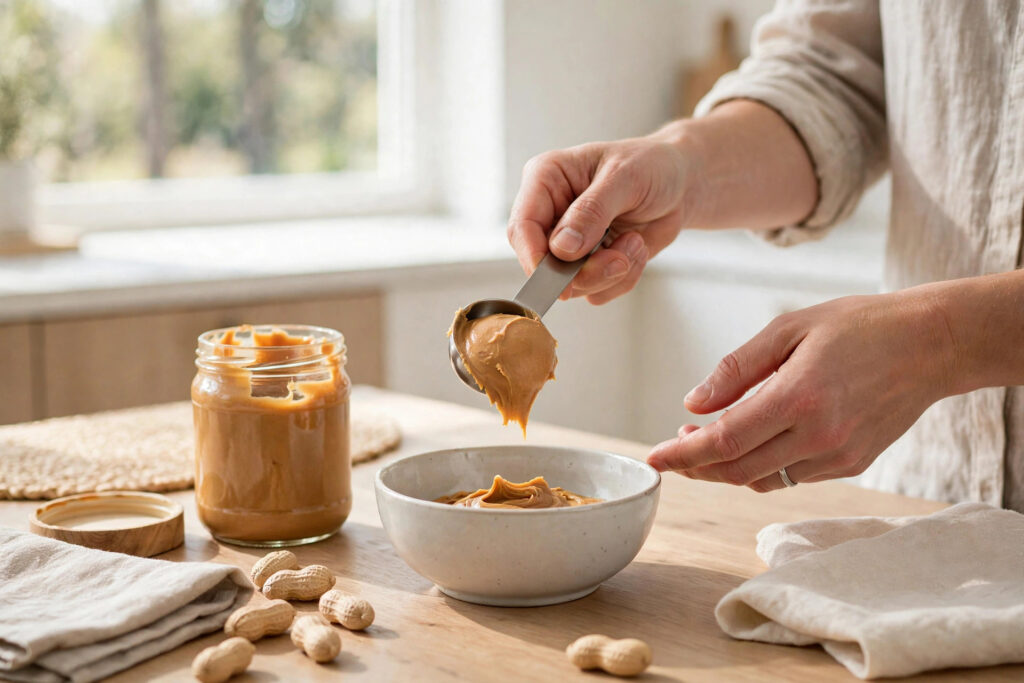
When people ask is peanut butter good for weight loss, they usually want a simple yes or no answer. The real answer needs a little honesty. Peanut butter is rich in protein and healthy fats, which keep hunger low for hours after eating. That full feeling helps many people eat less across the day, which supports a calorie deficit without constant hunger.
The catch sits in the calories. Peanut butter is energy dense, which means a small amount holds a large number of calories. Two tablespoons hold around 190 calories, and a thick spread on toast can easily reach 300 calories or more. Enjoyed in small portions, it helps weight loss. Eaten freely from the jar, it quietly adds hundreds of extra calories.
Protein and fat also slow digestion, which keeps blood sugar steadier than sugary snacks do. Steady blood sugar means fewer cravings and fewer sudden hunger attacks between meals. That stability is why peanut butter works well in a weight loss plan, as long as portions stay measured and the type stays natural.
Peanut Butter Calories And Nutrition Facts
Two tablespoons of natural peanut butter, about 32 grams, hold roughly 190 calories, 16 grams of fat, 7 grams of protein, and 3 grams of fiber. Most of the fat is monounsaturated, the same heart friendly type found in olive oil, with smaller amounts of polyunsaturated and saturated fat. The protein and fiber together explain why a small serving feels so filling.
Vitamins and minerals add more value. Peanut butter supplies vitamin E, magnesium, potassium, and B vitamins in useful amounts, which support energy, muscle function, and overall health. These nutrients make peanut butter far more useful than empty calorie snacks like chips or sweets, even though the calorie count looks similar at first glance.
Sugar changes the picture fast. Sweetened brands can add 3 to 5 grams of sugar per serving, which raises calories and triggers more cravings. Always read the label, and choose a jar with only peanuts and salt, or only peanuts, in the ingredients list. That simple check saves sugar and keeps the food working for weight loss instead of against it.
Natural Vs Regular Peanut Butter For Weight Loss
Natural peanut butter contains only peanuts, sometimes with a little salt, and no added sugar or hydrogenated oils. The oil separates and rises to the top, which needs a quick stir before use, but that separation is a sign of a clean product. Regular peanut butter adds sugar, molasses, and hydrogenated oils for sweetness and a smooth texture that never separates.
The calorie difference between the two looks small, often only 10 to 20 calories per serving, but the sugar difference matters more. Added sugar raises cravings and blood sugar swings, which make portion control harder across the day. Natural peanut butter keeps hunger steadier, which is the real advantage for weight loss.
Price and availability also matter. Natural peanut butter often costs a little more, but the cost per serving stays low, because a jar lasts for weeks at 2 tablespoons per day. Store the jar upside down to slow oil separation, and stir well after opening. For weight loss, natural peanut butter wins clearly, and the small extra cost pays for itself in better appetite control.
How Much Peanut Butter Per Day For Weight Loss
The honest answer to is peanut butter good for weight loss is yes, but only in small portions with the right type. Most people do well with 1 to 2 tablespoons per day, which adds roughly 95 to 190 calories. That amount gives protein, healthy fats, and flavor without breaking the daily calorie budget.
Measuring matters more than guessing, because a heaped spoon can hold double the calories of a level spoon. Use a real tablespoon for the first week, until the eye learns what 2 tablespoons look like on bread or in oatmeal. A kitchen scale works even better, with 32 grams as the standard serving.
Timing also helps. Peanut butter works best at breakfast or as a mid afternoon snack, when protein and fat keep hunger low until the next meal. Eating it late at night, straight from the jar while watching television, is the classic portion trap. Keep the jar in the cupboard, not on the counter, and serve one portion at a time.
Best Ways To Eat Peanut Butter For Fat Loss
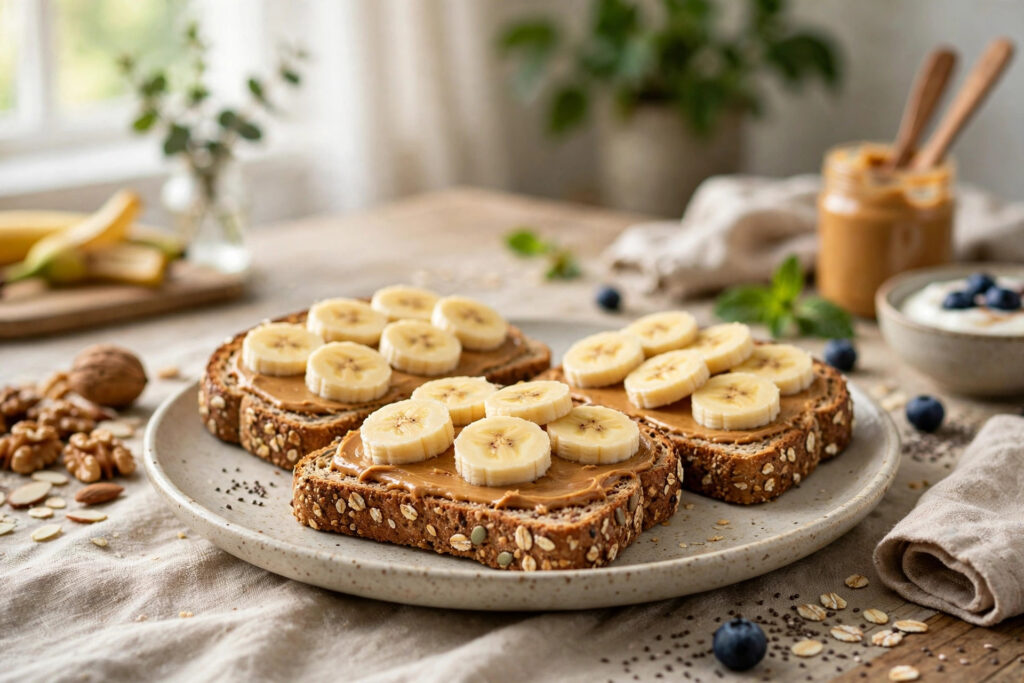
Spread 1 tablespoon on whole grain toast with sliced banana for a filling breakfast that combines protein, fiber, and slow energy. Add 1 tablespoon to oatmeal with berries, which turns a plain bowl into a satisfying meal that holds hunger for hours. Both options beat sugary cereals and pastries by a wide margin.
Use peanut butter as a dip for apple slices or celery sticks, which adds crunch, fiber, and volume for very few extra calories. Blend 1 tablespoon into a smoothie with milk, spinach, and half a banana for a quick post workout snack that covers protein and recovery in one glass. These pairings keep portions controlled while the food still feels generous.
Peanut butter also works in cooking, with 1 tablespoon stirred into a sauce for noodles or a dressing for salads. The rich flavor makes small amounts feel satisfying, which is the key to portion control. Avoid peanut butter cookies, candies, and thick milkshakes, because those recipes add sugar and flour that turn a helpful food into a calorie trap.
Peanut Butter Compared With Other Nut Butters
Shoppers who wonder is peanut butter good for weight loss often compare it with almond butter. Almond butter holds a similar calorie count, around 190 calories per 2 tablespoons, with slightly more fiber and vitamin E, but it usually costs twice as much. For most people, peanut butter delivers nearly the same nutrition at half the price.
Cashew butter tastes sweeter and creamier, but it holds less protein and fiber than peanut butter, so it satisfies hunger for a shorter time. Sunflower seed butter suits people with nut allergies, with similar calories and a good vitamin E profile, but it also holds less protein. Hazelnut spreads, especially sweetened chocolate versions, hold far more sugar and should stay out of a weight loss plan.
The best nut butter is the one that fits the budget, tastes good enough to enjoy daily, and holds no added sugar. Peanut butter wins on price and protein, almond butter wins slightly on fiber and vitamin E, and both beat sweetened spreads by a wide margin. Choose natural versions, measure portions, and let taste and budget decide the rest.
Common Peanut Butter Mistakes That Cause Weight Gain
The biggest mistake is eating from the jar with a spoon, because no one measures a spoonful honestly. Two casual spoonfuls can easily reach 400 calories, which wipes out the deficit from a full workout. Always serve a measured portion in a small bowl or on a plate, and put the jar away before eating.
Choosing sweetened or chocolate flavored peanut butter is another common fault. These jars add sugar, palm oil, and extra calories while keeping the same peanut butter name on the label. Low fat peanut butter sounds helpful, but makers often replace the removed fat with sugar, which keeps calories nearly the same and raises cravings. Natural full fat peanut butter with no added sugar beats both options.
Pairing peanut butter with the wrong foods also adds weight fast. Thick white bread, jam, honey, and chocolate spread turn a 190 calorie serving into a 400 calorie snack. Pair peanut butter with fruit, vegetables, or whole grains instead, and keep the total meal balanced. Portion control fails most often at night, so keep evening snacks measured and planned.
How To Combine Peanut Butter With Healthy Eating
Peanut butter works best inside a simple daily routine. Use 1 to 2 tablespoons per day as part of a protein rich breakfast or a planned snack, and keep the rest of the day balanced with vegetables, lean protein, and whole grains. Protein at every meal protects muscle while fat drops, and vegetables fill the plate with volume and fiber for very few calories.
Daily walking pairs well with peanut butter portions, because a 30 minute walk burns roughly 120 to 150 calories, which covers most of a 2 tablespoon serving. That simple balance keeps the food enjoyable without guilt, and it teaches portion awareness better than strict bans. Foods that are banned usually return as binges, while measured portions stay sustainable.
Sleep plays a larger role than most people expect. Poor sleep raises hunger hormones and lowers the energy for training, which makes weight loss harder even with a good eating plan. Progress should be judged by more than the scale, because strength training builds muscle even in weeks when the scale moves slowly. Measurements, photos, and how clothes fit tell a fuller story than weight alone.
FAQs
Is peanut butter good for weight loss?
Yes, peanut butter can help weight loss, because protein and healthy fats keep hunger low for hours after eating, which supports a calorie deficit without constant hunger. The key is portion size, because 2 tablespoons hold around 190 calories, and spoonfuls from the jar add up fast. Choose natural peanut butter with no added sugar, measure 1 to 2 tablespoons per day, and pair it with protein rich meals and daily walking. People who follow that plan see steady fat loss, while free eating from the jar often adds weight instead.
How much peanut butter should I eat per day to lose weight?
Most people do well with 1 to 2 tablespoons of peanut butter per day, which adds roughly 95 to 190 calories. That amount gives protein, healthy fats, and flavor without breaking the daily calorie budget. Measure with a real tablespoon or a kitchen scale, because a heaped spoon can hold double the calories of a level spoon. Use it at breakfast or as a mid afternoon snack, when protein and fat keep hunger low until the next meal. Avoid eating straight from the jar, especially late at night, because portions grow fast without measuring.
Which peanut butter is best for weight loss?
Natural peanut butter is the best choice for weight loss, because it contains only peanuts, sometimes with a little salt, and no added sugar or hydrogenated oils. Sweetened brands add 3 to 5 grams of sugar per serving, which raises cravings and blood sugar swings. Low fat peanut butter sounds helpful, but makers often replace the removed fat with sugar, which keeps calories nearly the same. Always read the label and choose a jar with only peanuts and salt, or only peanuts, in the ingredients list.
Does peanut butter burn belly fat?
No single food can target belly fat alone, because the body decides where fat comes from based on genetics and hormones, not based on which food is eaten. Peanut butter supports fat loss by keeping hunger low and protein intake steady, so belly fat shrinks as total body fat drops, but only when a calorie deficit exists. A routine that combines measured peanut butter portions with walking, strength training, protein rich meals, and good sleep reduces belly fat steadily over weeks and months. Patience matters, because belly fat is often the last area to change.
Can I eat peanut butter every day and still lose weight?
Yes, peanut butter can stay in a daily weight loss plan, as long as portions stay measured at 1 to 2 tablespoons per day. Daily use works well when the rest of the day stays balanced, with vegetables, lean protein, whole grains, and daily walking. Problems start only when portions grow unchecked or when sweetened jars replace natural ones. A daily walk of 30 minutes burns roughly 120 to 150 calories, which covers most of a 2 tablespoon serving. Measured daily portions beat strict bans, because banned foods usually return as binges.
Conclusion
Peanut butter can be a true friend in weight loss, but only with the right type and the right portion. So is peanut butter good for weight loss on its own, no, but as part of a smart plan, yes, it truly helps. Natural peanut butter gives protein, healthy fats, and lasting fullness for about 190 calories per 2 tablespoons, which is a fair trade inside a calorie deficit. Measure every serving, choose natural jars with no added sugar, and pair small portions with walking, protein rich meals, and good sleep. That steady combination turns a favorite food into a useful part of lasting fat loss.