- Planking alone does not melt belly fat, because fat loss comes from a full body calorie deficit, not from one single muscle move.
- A daily plank builds deep core strength, better posture, and a tighter looking waistline over several weeks.
- Most beginners do well with holds of 20 to 60 seconds, 3 to 4 rounds, on 4 to 5 days per week.
- The fastest belly fat results come when planks are combined with daily walking, protein rich meals, good sleep, and steady calorie control.
Does planking burn belly fat And How It Really Works
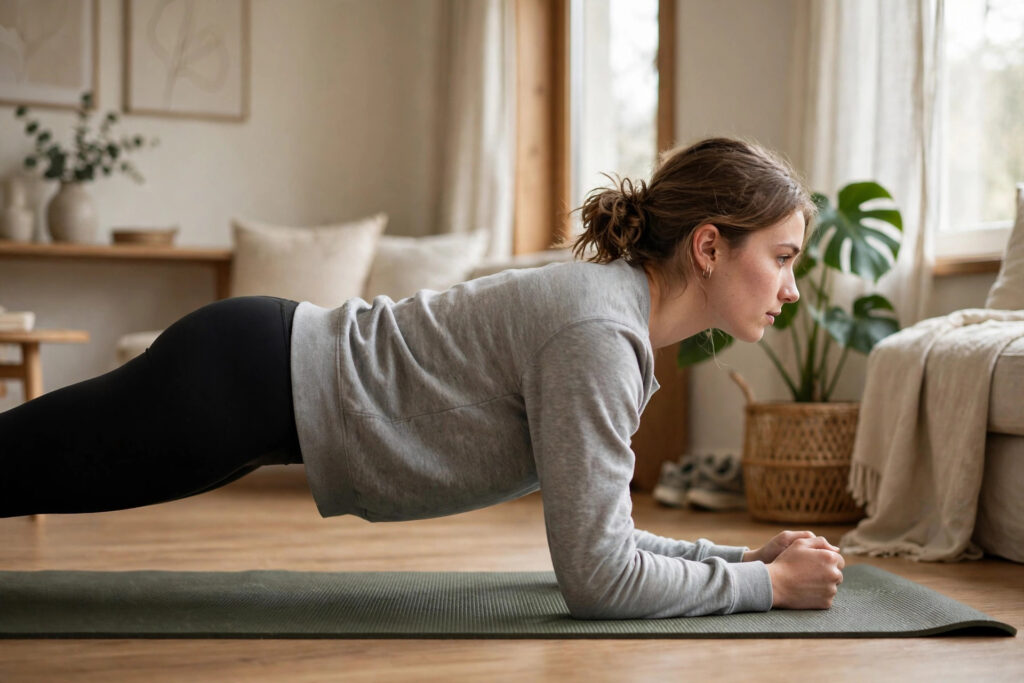
When people ask does planking burn belly fat, they want a simple yes or no answer. The real answer needs a little honesty. Planking is one of the best moves for core strength, but it is not a belly fat melting exercise on its own. Fat loss works through a calorie deficit, which means the body burns more energy than it takes in from food. When that deficit exists, the body draws fat from all over the body, including the belly area, over time.
Planking helps this process in an indirect way. A strong core improves posture, which makes the stomach look flatter even before fat loss shows. Planking also builds muscle in the deep core, and more muscle helps the body burn slightly more energy through the day. The move also trains discipline and body control, which often leads to better food choices and more daily movement. So planking supports belly fat loss, but it never replaces the deficit itself.
Think of it like this Planking tightens and strengthens the wall, while the calorie deficit removes the fat layer covering that wall. Both jobs matter, and neither one works well without the other. People who plank daily and eat with care see a flatter stomach far sooner than people who only do one of the two.
Why Spot Reduction Does Not Work For Belly Fat
Spot reduction means trying to burn fat from one body part by training that part again and again. Many people believe that endless crunches or long planks will burn belly fat directly. Research and real world results show that fat loss does not work that way. The body decides where fat comes from based on genetics, hormones, and overall body fat level, not based on which muscles move during a workout.
This is why two people can follow the same plank routine and see different belly results. One person may lose belly fat early, while another loses fat from the face, arms, or legs first. Belly fat is often the last area to change, especially for men and for women after the age of 40. That slow change frustrates many beginners, and some quit just before results would have shown.
The honest answer to does planking burn belly fat is that planks help the waistline, but they do not burn belly fat alone. A full body plan always beats a belly only plan. Walking, strength training, and sensible eating reduce total body fat, and belly fat drops as part of that total change.
What Planking Actually Does For Your Core
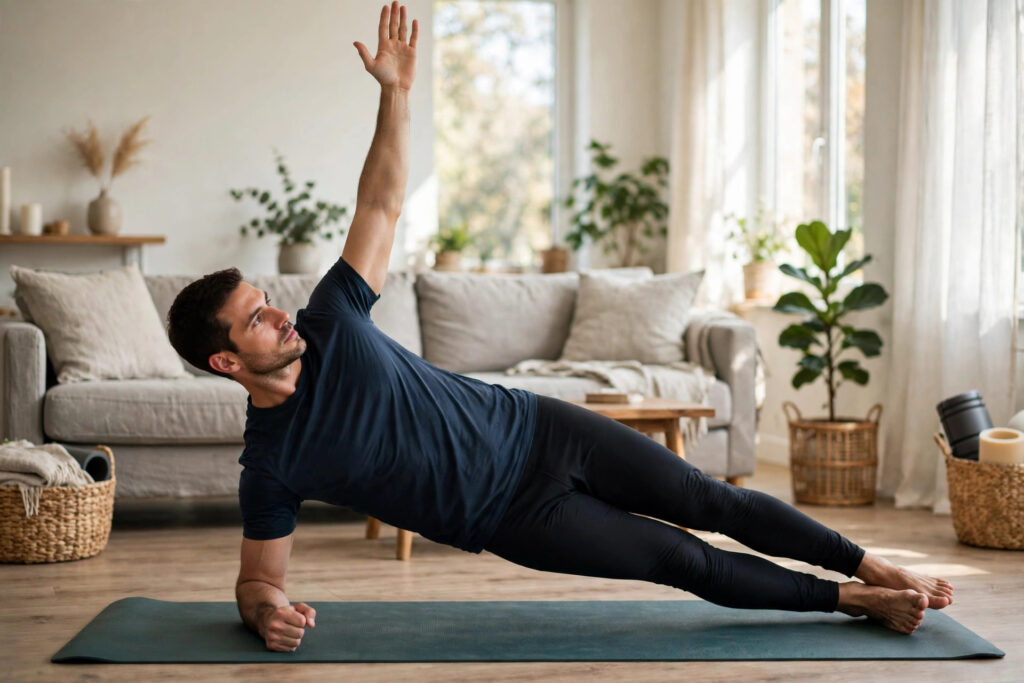
Planking trains the deep core muscles that wrap around the stomach and spine like a natural belt. These muscles include the transverse abdominis, the obliques, and the muscles along the lower back. Most daily movements and most gym exercises depend on this belt for stability. A weak core often shows up as lower back pain, poor posture, and a stomach that sticks out even at a healthy weight.
After a few weeks of regular planking, many people notice that standing tall feels easier and that the stomach pulls inward more naturally. Clothes fit a little better around the waist, not because fat vanished in days, but because the core holds the body in a tighter position. Planking also improves balance and control, which helps in running, lifting, and sports.
Strong core muscles also protect the spine during lifting and bending. That protection matters for long term health, because back pain stops many people from exercising at all. Planking is a low impact move, so it suits beginners, older adults, and people returning to exercise after a break.
How Many Calories Planking Burns
Planking burns fewer calories than most people expect. A person who weighs around 70 kilograms burns roughly 3 to 5 calories per minute during a plank hold. A 5 minute plank session therefore burns only 15 to 25 calories, which is far less than a 15 minute walk or a short rope session. This low number surprises beginners who hoped that planking alone would create a large calorie deficit.
The value of planking is not in the calories burned during the hold. The value sits in the muscle built, the posture improved, and the habit formed. Muscle tissue burns more energy than fat tissue even at rest, so a stronger core raises daily energy use by a small amount over months. That small rise adds up, but it never replaces food control or cardio movement.
For real belly fat results, planking should sit inside a bigger daily plan. A 30 minute walk burns far more calories than a plank session, and a protein rich meal keeps hunger lower than a sugary snack. Planking is the support act, not the main show, and knowing that fact helps beginners set honest expectations.
The Right Plank Form For Maximum Benefit
Good form matters more than long hold times. Start face down, place the forearms on the floor with elbows under the shoulders, and extend the legs back with toes tucked under. Lift the hips until the body forms one straight line from head to heels. Keep the stomach tight, squeeze the glutes lightly, and breathe in a slow and steady rhythm.
The most common form error is letting the hips sag toward the floor, which loads the lower back and removes work from the core. The second error is lifting the hips too high, which turns the plank into a rest position. A mirror or a phone video helps beginners check the straight line, because body feel often differs from reality in the first weeks.
Neck position also matters. Look at the floor a little ahead of the hands, not up at a wall, so the neck stays in line with the spine. Shoulders should stay away from the ears, and the lower back should never feel sharp pain. Mild shaking in the core is normal and shows that the muscles work hard. Sharp pain is always a signal to stop and rest.
A Simple Plank Plan For Beginners
Beginners who wonder does planking burn belly fat fast should focus on consistency first. Week one should stay easy, with holds of 20 seconds, 3 rounds, on 4 days. Rest for 30 to 60 seconds between rounds, and stop a round when form breaks down. Short and clean holds build far more strength than one long hold with sagging hips.
In week two and week three, build toward holds of 30 to 45 seconds, 3 to 4 rounds. Add one day if recovery feels good, but keep at least 2 rest days per week in the early stage. In week four to week six, most beginners reach holds of 60 seconds with good form. At that stage, side planks and slow plank variations add variety without adding risk.
Progress should follow a simple rule. Add about 10 seconds to hold time every week, and never double the volume suddenly. Track hold times in a notebook or a phone note, because visible progress keeps motivation alive. Pair the plank plan with a daily walk of 20 to 30 minutes, and the belly fat results arrive far sooner than planking alone could deliver.
Common Plank Mistakes That Waste Effort
The biggest mistake is chasing long hold times with bad form. A 3 minute plank with sagging hips trains the lower back, not the core, and it often ends in pain. A 45 second plank with a straight line and a tight stomach trains far more muscle. Quality always beats quantity in core training.
Holding the breath is another common fault. Beginners often hold their breath to survive a hard hold, which raises blood pressure and cuts the hold short. Slow breathing through the nose and mouth keeps oxygen flowing and lets the core work longer. Forgetting the glutes is a smaller error, but squeezing them lightly keeps the hips level and the core engaged.
Doing planks every single day without rest also slows progress. Muscles grow stronger during rest, not during the hold itself. Four to five days per week beats seven tired days. Skipping warm up is the last common error, because a short warm up of marching in place and gentle twists prepares the core and protects the back.
How To Combine Planks With Fat Loss Habits
Planks work best inside a simple daily routine. Start with a plank session of 5 to 10 minutes, add a walk of 20 to 30 minutes, and keep food portions honest. Protein at every meal protects muscle while fat drops, and vegetables fill the plate with volume and fiber for very few calories. Water helps as well, since thirst often feels like hunger, and sugary drinks can quietly erase a full day of good effort.
Sleep plays a larger role than most people expect. Poor sleep raises hunger hormones and lowers the energy for training, which makes belly fat loss harder even with a good workout plan. Seven to eight hours of sleep, a regular bedtime, and less screen time before bed all support fat loss in a quiet but powerful way.
Progress should be judged by more than the scale. Waist measurements, photos, and how clothes fit tell a fuller story than weight alone, because core training builds muscle even in weeks when the scale moves slowly. Patience matters most, because belly fat often changes last. People who plank, walk, and eat with care for 8 to 12 weeks usually see a clear change in the waistline.
FAQs
Does planking burn belly fat?
Planking alone does not burn belly fat directly, because fat loss comes from a full body calorie deficit, not from one muscle move. Planking strengthens the deep core, improves posture, and makes the waistline look tighter, which helps the stomach appear flatter within weeks. For actual fat loss, planking must combine with walking, sensible eating, and good sleep. People who follow that full plan for 8 to 12 weeks usually see a clear reduction in belly fat, while people who only plank often feel stronger without seeing much fat change.
How long should I plank every day to lose belly fat?
Most beginners do well with a total of 3 to 5 minutes of planking per day, split into rounds of 20 to 60 seconds, on 4 to 5 days per week. Longer holds do not automatically mean faster fat loss, because form matters more than time. A clean 45 second hold trains the core far better than a sagging 3 minute hold. As strength grows, hold times can rise toward 60 to 90 seconds per round. Daily planking time should stay near 5 to 10 minutes, with the rest of the fat loss plan coming from walking and food control.
How long does it take to see belly fat results from planking?
Most people notice better posture and a tighter core feeling within 2 to 3 weeks of regular planking. Visible belly fat reduction usually takes 8 to 12 weeks, because belly fat often changes last and only drops when a calorie deficit exists. Results arrive faster when planking pairs with daily walking, protein rich meals, and good sleep. Waist measurements and photos track progress better than the scale, since core training builds muscle even when weight moves slowly. Patience and consistency matter far more than any single workout.
Is planking safe for beginners and people with back pain?
Planking is safe for most healthy beginners when form stays correct and hold times stay short. The body should form one straight line from head to heels, with the stomach tight and the lower back never sagging. People with existing back problems, a recent injury, or a history of spine surgery should speak with a doctor before starting a plank program, because general advice never replaces personal medical guidance. Mild core shaking is normal, but sharp pain in the back or shoulders is always a signal to stop, rest, and check form before trying again.
Conclusion
Planking is a powerful core move, but it is not a magic belly fat cure. So does planking burn belly fat on its own, no, but as part of a smart plan, yes, it truly helps. A daily plank builds a stronger core, better posture, and a tighter looking waistline, while walking, protein rich meals, good sleep, and a calorie deficit remove the fat layer itself. Start with short and clean holds, add time slowly, and judge progress over weeks, not days. That steady combination is what turns a simple floor exercise into real and lasting belly fat results.
One Response