- High protein snacks keep you full for hours, because protein slows digestion and lowers hunger hormones.
- A good protein snack holds 10 to 20 grams of protein with 150 to 250 calories, which fits any weight loss plan.
- The danger is a snack that looks healthy but holds little protein, because granola bars and fruit alone leave you hungry within an hour.
- The best results come when snacks are prepped in advance, because a ready snack beats a vending machine every time.
High-Protein Snacks Weight Loss And Why Protein Works
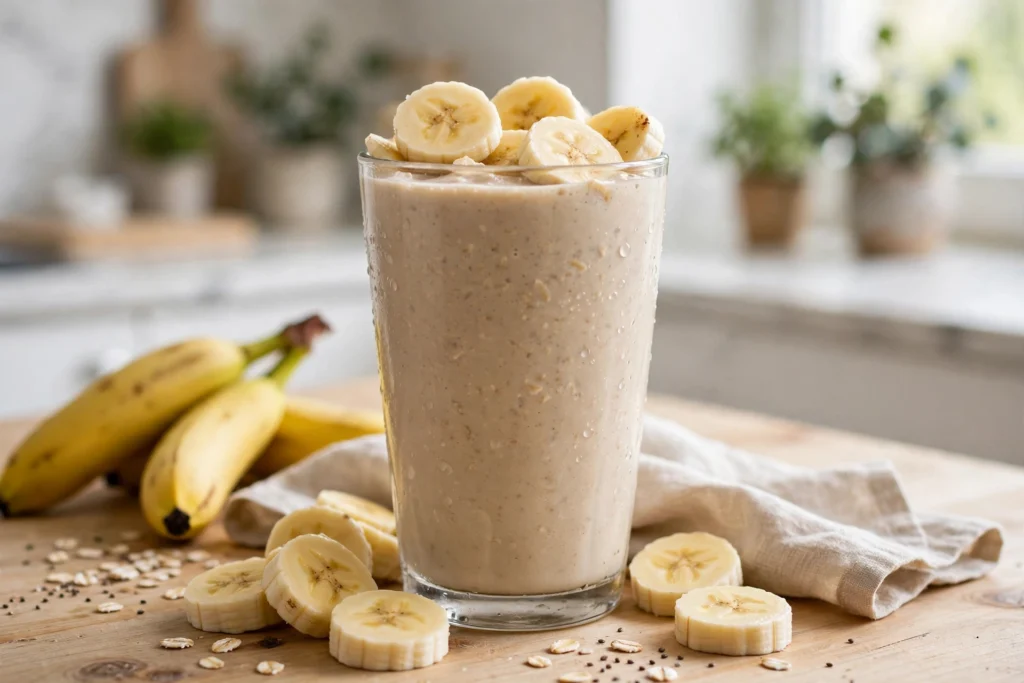
When people search high-protein snacks weight loss, they usually want food that tastes good and still helps the diet. The honest answer is that protein is the most filling nutrient, because it slows digestion, lowers hunger hormones, and protects muscle while fat drops. Weight loss always comes from a calorie deficit, which means snacks must fit the daily budget, not break it.
Protein works through fullness and muscle protection. A snack with 15 grams of protein keeps hunger low for 2 to 3 hours, while a snack with only carbs leaves you hungry within 1 hour. That gap decides the whole afternoon, because a full person skips the biscuit tin while a hungry person empties it.
The best protein snacks are simple, because a snack that takes 5 minutes to make is a snack that gets eaten every day. Use yogurt, eggs, cheese, tuna, and beans, and keep the formula fixed, with protein plus fiber plus a little healthy fat. That formula works in any kitchen and any season.
How Much Protein Do Snacks Need
A good protein snack holds 10 to 20 grams of protein with 150 to 250 calories, which fills the gap between meals without breaking the daily budget. That amount gives steady energy and keeps hunger low till the next meal. A snack below 5 grams of protein usually fails, because it acts like a carb snack and hunger returns within an hour.
Daily protein needs change with body weight, because active people need around 1.6 grams of protein per kilogram of body weight per day, while less active people need around 1.2 grams. A person who weighs 70 kilograms might need 85 to 110 grams of protein per day, and 2 snacks with 15 grams each cover 30 grams of that total.
The easiest way to check is the label, because most packaged snacks list protein per serving on the front or back. Look for at least 10 grams of protein per serving, with sugar below 5 grams and fiber above 3 grams. A snack that passes those 3 numbers fits the plan, while a snack that fails 2 of them does not.
7 Best High-Protein Snacks For Weight Loss
These high-protein snacks weight loss ideas use simple ingredients and take less than 10 minutes to make. Each snack holds 10 to 20 grams of protein with 150 to 250 calories.
- Greek yogurt with berries. Mix 1 cup of Greek yogurt with a handful of berries and a tablespoon of chia seeds, for around 200 calories with 18 grams of protein. The yogurt gives protein, the berries give fiber and sweet taste, and the meal takes 2 minutes to make.
- Boiled eggs. Eat 2 boiled eggs with a pinch of salt and a tomato, for around 155 calories with 13 grams of protein. Boil a dozen eggs on Sunday, and the snack is ready in the fridge all week, which makes it the easiest protein snack of all.
- Cottage cheese with cucumber. Mix 1 cup of cottage cheese with cucumber slices and black pepper, for around 180 calories with 24 grams of protein. Cottage cheese holds the most protein per calorie of any dairy snack, and the cucumber adds crunch with almost no calories.
- Tuna on rice cakes. Spread half a can of tuna on 2 rice cakes with lemon and herbs, for around 200 calories with 20 grams of protein. The tuna gives lean protein, the rice cakes give crunch, and the snack needs no cooking at all.
- Edamame with sea salt. Eat 1 cup of steamed edamame with a pinch of sea salt, for around 190 calories with 17 grams of protein and 8 grams of fiber. Edamame is a whole soy bean, and it works hot or cold, which suits lunchboxes and travel days.
- Protein shake with banana. Blend 1 scoop of protein powder with water, half a banana, and ice, for around 200 calories with 25 grams of protein. The shake suits post workout recovery, and it takes 3 minutes to make with no cooking.
- Roasted chickpeas. Eat 1 cup of roasted chickpeas with paprika and cumin, for around 210 calories with 11 grams of protein and 10 grams of fiber. Roast a large batch on Sunday, and the snack stays crisp in a jar for 5 days.
High-Protein Snacks Compared With Regular Snacks
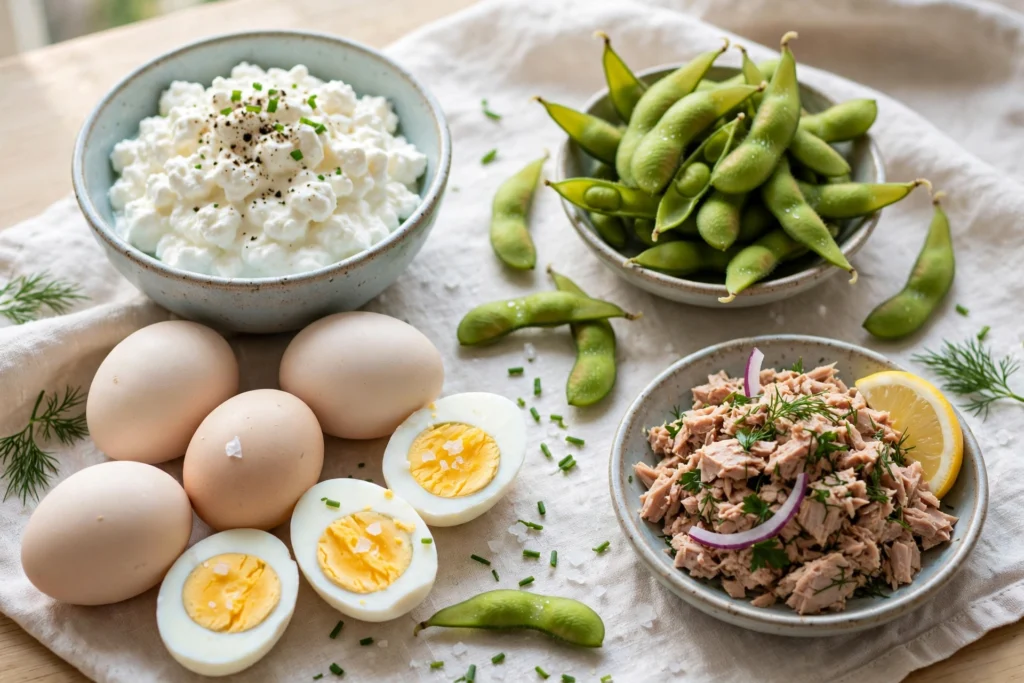
People who compare high-protein snacks weight loss with regular snacks often miss the biggest difference, which is protein per calorie. A cup of Greek yogurt holds 18 grams of protein for 200 calories, while a granola bar holds 3 grams of protein for 200 calories, which is 6 times less protein for the same energy.
Hunger follows the same pattern, because a protein snack keeps you full for 2 to 3 hours, while a biscuit or crisp snack leaves you hungry within 1 hour. That gap decides the daily total, because a hungry person eats 2 extra snacks per day, which adds 300 to 400 calories.
Cost is close, because a boiled egg costs around 20 cents, a cup of yogurt costs around 1 dollar, and a protein bar costs 2 to 3 dollars. Homemade protein snacks beat packaged bars on both price and protein, while packaged bars win only on convenience. Choose homemade snacks most days, keep bars for travel days, and let the weekly average decide the result.
Best Times To Eat Protein Snacks
The best time for a protein snack is mid morning, around 10 AM, because breakfast energy fades by then and a snack stops the rush toward biscuits. A snack with 15 grams of protein at 10 AM keeps hunger low till lunch, which stops overeating at the main meal.
The second best time is mid afternoon, around 4 PM, because energy dips after lunch and the body asks for sugar. A protein snack at 4 PM replaces the biscuit tin and keeps the evening meal normal, while a sugary snack at 4 PM starts a cycle of cravings that lasts till bedtime.
A protein snack after exercise also helps, because muscles need protein within 2 hours of training to recover and grow. A shake or a yogurt bowl after a workout gives 20 to 25 grams of protein fast, which supports muscle while fat drops. Avoid large snacks late at night, because food before bed can disturb sleep for some people.
How To Prep Protein Snacks For The Week
Pick 3 protein snacks for the week, prep them on Sunday, and store each portion in a separate container or bag. A 30 minute prep session gives snacks for 5 days, because boiled eggs, roasted chickpeas, and yogurt bowls all keep well in the fridge. Keep the snacks at eye level, and a ready snack gets eaten while a hidden snack gets forgotten.
Use small containers with tight lids, because portion control starts with the container, not with willpower. Pack 1 cup of yogurt, 2 eggs, or 1 cup of edamame per container, and label each one with the day and the snack name. A labeled snack feels like a plan, while an open bag feels like a free for all.
Rotate the menu every 2 weeks, because eating the same snack for months leads to boredom and quitting. Keep 6 to 8 favorite snacks in rotation, swap one new snack in each month, and let seasonal foods decide the changes. A varied menu keeps snacking enjoyable, and enjoyable food is the food that gets eaten.
Common Protein Snack Mistakes That Cause Weight Gain
The biggest mistake is choosing a protein bar that is really a candy bar, because many bars hold 15 grams of sugar with only 8 grams of protein. Read the label, and skip any bar with more sugar than protein, because sugar drives hunger while protein stops it. A real protein snack holds at least 10 grams of protein with sugar below 5 grams.
Eating a protein snack on top of full meals is another common fault. A snack adds 200 calories, so it must replace a bigger meal portion, not sit on top of 3 large meals. Cut 100 calories from lunch and dinner when adding 2 snacks, and the daily total stays in deficit.
Drinking protein shakes with milk, peanut butter, and banana is the quietest error, because those extras add 200 to 300 calories to a 120 calorie shake. Mix protein powder with water and ice only, and keep the shake near 200 calories. A shake that holds 500 calories is a meal, not a snack.
How To Combine Protein Snacks With Daily Eating
Protein snacks work best inside a simple daily routine. Eat a protein rich breakfast, a balanced lunch with vegetables, 1 to 2 protein snacks, and a light dinner with lean protein, and keep the total day near the calorie target. Protein at every meal protects muscle while fat drops, and vegetables fill the plate with volume and fiber for very few calories.
Daily walking pairs well with snack habits, because a 30 minute walk burns roughly 120 to 150 calories, which covers most of a protein snack. That simple balance keeps snacking enjoyable without guilt, and it teaches portion awareness better than strict bans. Foods that are banned usually return as binges, while measured snacks stay sustainable.
Sleep plays a larger role than most people expect. Poor sleep raises hunger hormones and lowers the energy for training, which makes weight loss harder even with a good eating plan. Progress should be judged by more than the scale, because strength training builds muscle even in weeks when the scale moves slowly. Measurements, photos, and how clothes fit tell a fuller story than weight alone.
FAQs
What are the best high protein snacks for weight loss?
The best choices are Greek yogurt, boiled eggs, cottage cheese, tuna, edamame, protein shakes, and roasted chickpeas, because they hold 10 to 25 grams of protein with 150 to 250 calories per serving. A cup of Greek yogurt holds 18 grams of protein for 200 calories, 2 boiled eggs hold 13 grams for 155 calories, and 1 cup of cottage cheese holds 24 grams for 180 calories. Prep snacks in advance, and keep them at eye level in the fridge so a ready snack gets eaten.
How much protein should a snack have to lose weight?
A good protein snack holds 10 to 20 grams of protein with 150 to 250 calories, which fills the gap between meals without breaking the daily budget. That amount gives steady energy and keeps hunger low till the next meal. A snack below 5 grams of protein usually fails, because it acts like a carb snack and hunger returns within an hour. Look for at least 10 grams of protein per serving, with sugar below 5 grams and fiber above 3 grams.
Are protein bars good for weight loss?
Some protein bars work, but many are really candy bars, because they hold 15 grams of sugar with only 8 grams of protein. Read the label, and skip any bar with more sugar than protein, because sugar drives hunger while protein stops it. A real protein snack holds at least 10 grams of protein with sugar below 5 grams. Homemade snacks like boiled eggs and yogurt beat packaged bars on both price and protein, while bars win only on convenience.
How many protein snacks can I eat per day?
Most people do well with 1 to 2 protein snacks per day, which adds 20 to 40 grams of protein and 300 to 500 calories to the daily total. That amount fills the gap between meals without breaking the calorie budget. A snack must replace a bigger meal portion, not sit on top of 3 large meals, so cut 100 calories from lunch and dinner when adding 2 snacks. More than 3 snacks per day usually means the main meals are too small.
Can I eat protein snacks at night and still lose weight?
Yes, a protein snack at night can fit a weight loss plan, as long as the portion stays measured at 150 to 250 calories and the daily total stays in deficit. A small yogurt bowl or 2 boiled eggs before bed keeps hunger low through the night and supports muscle recovery. Avoid large snacks late at night, because food before bed can disturb sleep for some people. A measured night snack beats a midnight binge, because the binge adds 500 calories or more.
Conclusion
Protein snacks are the easiest way to stay full between meals. So high-protein snacks weight loss works well, but only when the snack stays balanced and the routine stays steady. Aim for 10 to 20 grams of protein with 150 to 250 calories, prep snacks in advance, and read every label before buying. Eat 1 to 2 snacks per day, pair them with walking, protein rich meals, and good sleep. That steady combination turns smart snacking into a useful part of lasting fat loss.