- A healthy lunch keeps you full till dinner, because protein, fiber, and vegetables slow digestion and stop afternoon snacking.
- A good weight loss lunch holds around 400 to 500 calories, with at least 20 grams of protein and a full plate of vegetables.
- The danger is a lunch that is too light, because a 200 calorie salad leaves you starving by 4 PM and leads to a biscuit binge.
- The best results come when lunch is prepped in advance, because a ready meal beats a takeaway every time.
Healthy Lunch Ideas For Weight Loss And Why Lunch Matters
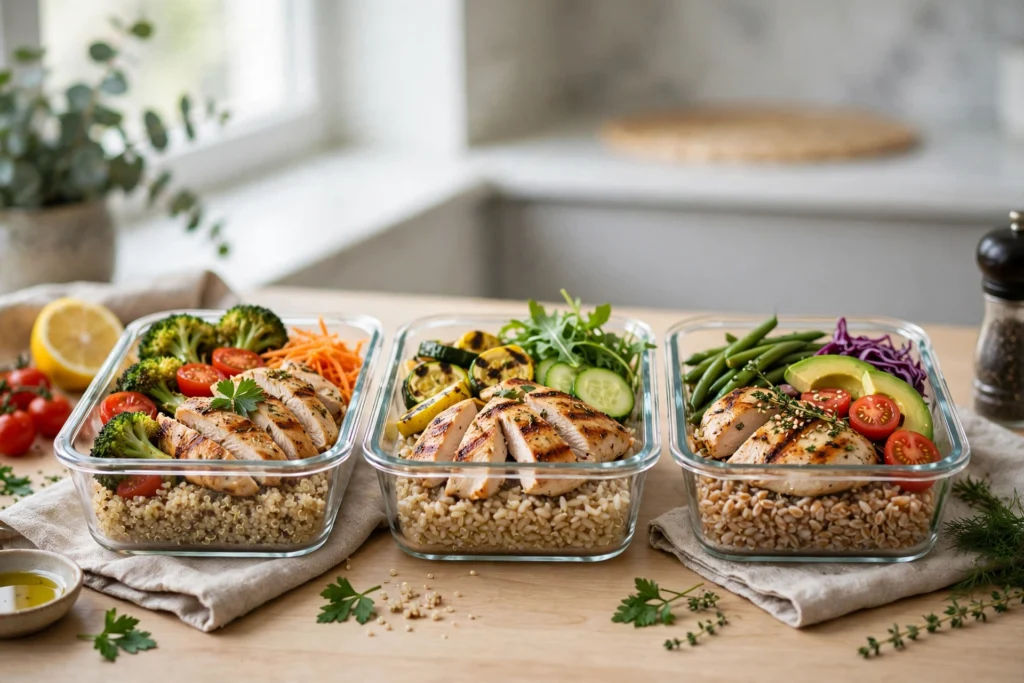
When people search healthy lunch ideas for weight loss, they usually want food that tastes good and still helps the diet. The honest answer is that lunch matters more than most people think, because it decides the energy and hunger for the whole afternoon. Weight loss always comes from a calorie deficit, which means lunch must fit the daily budget, not break it.
Lunch is the middle meal, and it sets the tone for the rest of the day. A lunch with protein, fiber, and vegetables keeps blood sugar steady and stops the 4 PM rush toward biscuits and crisps. A lunch with only white bread and cheese gives fast energy, then a crash, then hunger that leads to overeating at dinner.
The best lunch is simple, because a meal that takes 20 minutes to make is a meal that gets made every day. Use leftovers, prepped grains, and ready vegetables, and keep the formula fixed, with protein plus vegetables plus one healthy carb. That formula works in any kitchen and any season.
What Makes A Lunch Good For Weight Loss
A good weight loss lunch holds around 400 to 500 calories, with at least 20 grams of protein, 8 to 10 grams of fiber, and a full plate of vegetables. Protein keeps hunger low for hours, fiber slows digestion, and vegetables give volume with very few calories. That combination keeps you full till dinner without breaking the daily budget.
Water and volume also matter, because soups, salads, and vegetables with high water content fill the stomach with fewer calories. A bowl of vegetable soup holds around 150 calories, while a small sandwich with cheese holds around 400 calories, and the soup feels more filling. Start lunch with a salad or soup, and the main plate naturally gets smaller.
The drink counts too, because one glass of juice holds about 110 calories with no fiber, while water holds zero calories. Pair lunch with water or black tea, and keep sugary drinks for rare occasions. A lunch that follows these rules feels satisfying, not punishing, and that is why it works long term.
7 Healthy Lunch Ideas For Weight Loss
These healthy lunch ideas for weight loss use simple ingredients and take less than 20 minutes to make. Each meal holds around 400 to 500 calories with at least 20 grams of protein.
- Grilled chicken salad bowl. Mix grilled chicken breast, leafy greens, cucumber, tomatoes, and chickpeas with olive oil and lemon, for around 450 calories with 35 grams of protein. Prep the chicken on Sunday, and the bowl takes 5 minutes to assemble each morning.
- Tuna and white bean salad. Mix one can of tuna, white beans, red onion, and parsley with lemon and olive oil, for around 400 calories with 30 grams of protein. The beans add fiber that keeps hunger low till dinner, and the meal needs no cooking at all.
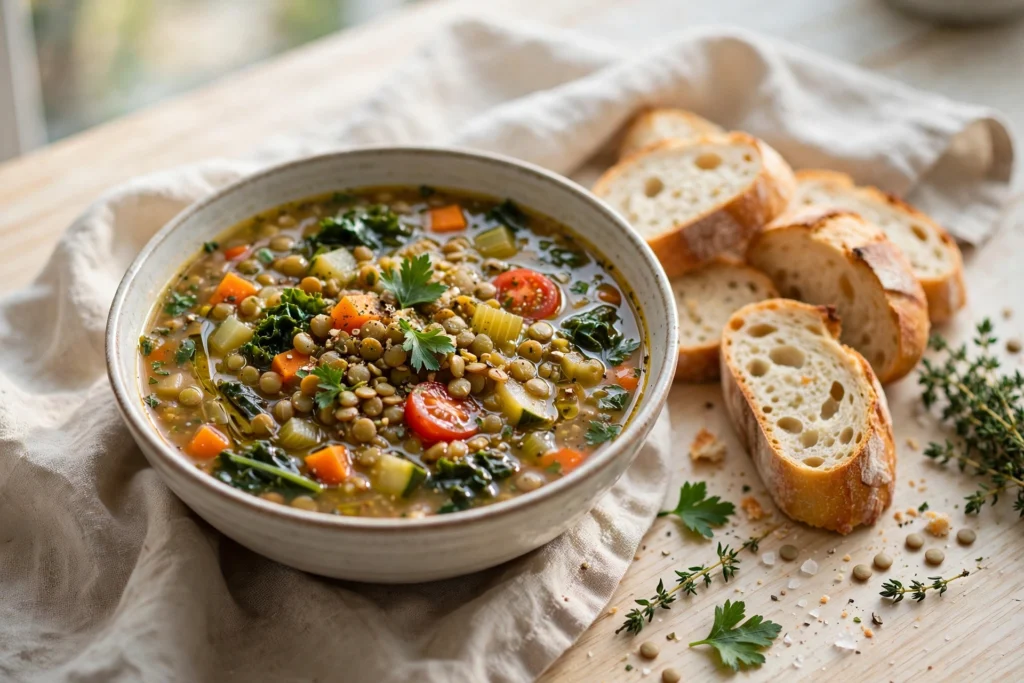
- Vegetable lentil soup. Cook red lentils with carrots, onions, tomatoes, and spinach in vegetable stock, for around 350 calories per bowl with 18 grams of protein and 12 grams of fiber. Make a large pot on Sunday, and it lasts 4 days in the fridge.
- Egg and avocado toast. Top 2 slices of whole grain bread with 2 boiled eggs, half an avocado, and tomato slices, for around 450 calories with 18 grams of protein and healthy fats. The eggs and avocado keep hunger away for hours, and the meal takes 10 minutes.
- Turkey and vegetable wrap. Roll sliced turkey, hummus, spinach, cucumber, and grated carrot in a whole grain wrap, for around 450 calories with 28 grams of protein. The wrap travels well in a lunchbox, and it beats any sandwich shop meal on calories and cost.
- Quinoa and roasted vegetable bowl. Mix cooked quinoa with roasted sweet potato, broccoli, chickpeas, and tahini dressing, for around 500 calories with 18 grams of protein and 12 grams of fiber. Roast the vegetables in bulk, and the bowl assembles in 5 minutes.
- Greek yogurt and berry bowl. Mix Greek yogurt with berries, chia seeds, and a small handful of nuts, for around 400 calories with 20 grams of protein. The meal suits busy days when cooking feels impossible, and it still keeps you full till dinner.
How Many Calories Should Lunch Have
Most people do well with 400 to 500 calories at lunch, which is roughly one third of a 1,500 calorie day, with at least 20 grams of protein and a full plate of vegetables. That amount gives steady energy for the afternoon without breaking the daily budget. A lunch below 300 calories usually fails, because hunger returns by 4 PM and leads to snacking.
Active people need more, because a person who walks 10,000 steps per day or trains in the gym burns more energy and needs 500 to 600 calories at lunch. Smaller people and desk workers do well with 350 to 450 calories, while larger people need the full 500. Adjust by 100 calories at a time, and let the weekly average weight decide the right number.
The plate method makes the math easy, because half the plate holds vegetables, one quarter holds protein, and one quarter holds a healthy carb like brown rice or quinoa. That plate naturally lands near 400 to 500 calories without any counting. Weigh food with a scale for the first 2 weeks, until the eye learns true portions.
Healthy Lunch Ideas Compared With Takeaway Lunch
People who compare healthy lunch ideas for weight loss with takeaway lunch often miss the biggest difference, which is calories per meal. A homemade chicken salad bowl holds around 450 calories, while a takeaway chicken sandwich with fries holds around 900 calories, which is double the amount for the same hunger.
Cost follows the same pattern, because a homemade lunch costs around 3 to 5 dollars per meal, while a takeaway lunch costs 10 to 15 dollars. Over a working week, that gap adds up to 35 to 50 dollars saved, which is 1,800 to 2,600 dollars per year. The saved money buys better ingredients, and the saved calories buy faster results.
Time is the only place takeaway wins, because a shop meal takes 5 minutes while a homemade lunch takes 15 to 20 minutes. Meal prep removes that gap, because a Sunday prep session of 1 hour gives lunch for 4 days. Choose homemade lunch most days, keep takeaway as a Friday treat, and let the weekly average decide the result.
How To Meal Prep Lunch For The Week
Pick 2 lunch recipes for the week, cook a large batch on Sunday, and store each portion in a separate container with a tight lid. A 1 hour prep session gives 4 days of lunch, because grains, roasted vegetables, and grilled chicken all keep well in the fridge for 4 days. Keep sauces separate, and add them fresh each morning so the food stays crisp.
Use the right containers, because glass containers with tight lids keep food fresh and reheat evenly in the microwave. Label each container with the day and the meal name, and stack them at eye level in the fridge so lunch is the first thing seen each morning. A visible lunch gets eaten, while a hidden lunch gets replaced by takeaway.
Rotate the menu every 2 weeks, because eating the same lunch for months leads to boredom and quitting. Keep 4 to 6 favorite recipes in rotation, swap one new recipe in each month, and let seasonal vegetables decide the changes. A varied menu keeps lunch enjoyable, and enjoyable food is the food that gets eaten.
Common Lunch Mistakes That Cause Weight Gain
The biggest mistake is skipping lunch, because a skipped lunch leads to extreme hunger by 4 PM and a binge on biscuits, crisps, and chocolate. Skipping meals also slows the metabolism over time and makes the next meal larger. Eat lunch every day, even a small one, because a 400 calorie lunch beats a 1,000 calorie binge.
Eating lunch at the desk without a break is another common fault. Desk eating leads to fast eating, poor chewing, and extra calories, because the brain never registers the meal. Take 20 minutes away from the screen, eat slowly, and put the fork down between bites, because slow eating gives the brain time to feel full.
Dressing a healthy salad with creamy sauce is the quietest error, because 2 tablespoons of ranch dressing add 140 calories and 2 tablespoons of mayonnaise add 180 calories. Use olive oil and lemon, or yogurt based dressing, which add 50 calories or less. Keep the dressing on the side, and add it one spoon at a time.
How To Combine Healthy Lunch With Daily Eating
A healthy lunch works best inside a simple daily routine. Eat a protein rich breakfast, a balanced lunch with vegetables, and a light dinner with lean protein, and keep the total day near the calorie target. Protein at every meal protects muscle while fat drops, and vegetables fill the plate with volume and fiber for very few calories.
Daily walking pairs well with lunch habits, because a 20 minute walk after lunch burns roughly 80 to 100 calories and helps digestion and blood sugar. That simple habit also clears the mind for the afternoon and stops the post lunch energy crash. A week with daily lunch walks beats a week without them, because small habits add up fast.
Sleep plays a larger role than most people expect. Poor sleep raises hunger hormones and lowers the energy for training, which makes weight loss harder even with a good eating plan. Progress should be judged by more than the scale, because strength training builds muscle even in weeks when the scale moves slowly. Measurements, photos, and how clothes fit tell a fuller story than weight alone.
FAQs
What is a good healthy lunch for weight loss?
A good lunch holds around 400 to 500 calories with at least 20 grams of protein, 8 to 10 grams of fiber, and a full plate of vegetables. Protein keeps hunger low for hours, fiber slows digestion, and vegetables give volume with very few calories. A grilled chicken salad bowl, a tuna and bean salad, or a vegetable lentil soup all fit that pattern. Pair lunch with water or black tea, and keep sugary drinks for rare occasions.
How many calories should lunch have to lose weight?
Most people do well with 400 to 500 calories at lunch, which is roughly one third of a 1,500 calorie day, with at least 20 grams of protein and a full plate of vegetables. Active people need 500 to 600 calories, while smaller people and desk workers do well with 350 to 450 calories. A lunch below 300 calories usually fails, because hunger returns by 4 PM and leads to snacking. Adjust by 100 calories at a time, and let the weekly average weight decide the right number.
Can I eat bread at lunch and still lose weight?
Yes, bread can stay in a weight loss lunch, as long as the portion stays measured at 1 to 2 slices of whole grain bread and the filling stays lean. Whole grain bread holds around 80 calories per slice with 3 grams of fiber, while white bread holds similar calories with almost no fiber. Fill the sandwich with lean protein, vegetables, and hummus, and skip butter and mayonnaise. A sandwich with grilled chicken and salad fits the plan, while a sandwich with cheese and creamy sauce does not.
Is skipping lunch good for weight loss?
No, skipping lunch usually hurts weight loss, because a skipped lunch leads to extreme hunger by 4 PM and a binge on biscuits, crisps, and chocolate. Skipping meals also slows the metabolism over time and makes the next meal larger. A 400 calorie lunch beats a 1,000 calorie binge, so eat lunch every day, even a small one. People who prefer fewer meals do better with a small lunch and a larger dinner, not with no lunch at all.
How do I meal prep lunch for the whole week?
Pick 2 lunch recipes for the week, cook a large batch on Sunday, and store each portion in a separate container with a tight lid. A 1 hour prep session gives 4 days of lunch, because grains, roasted vegetables, and grilled chicken all keep well in the fridge for 4 days. Keep sauces separate, and add them fresh each morning so the food stays crisp. Rotate the menu every 2 weeks, because eating the same lunch for months leads to boredom and quitting.
Conclusion
A healthy lunch is the middle meal that decides the whole afternoon. So healthy lunch ideas for weight loss work well, but only when the meal stays balanced and the routine stays steady. Aim for 400 to 500 calories with at least 20 grams of protein, fill half the plate with vegetables, and prep lunch in advance so a ready meal beats takeaway. Eat slowly away from the desk, keep creamy dressings on the side, and pair lunch with a short walk and good sleep. That steady combination turns lunch into a useful part of lasting fat loss.